Nils Frank · 2 September 2026
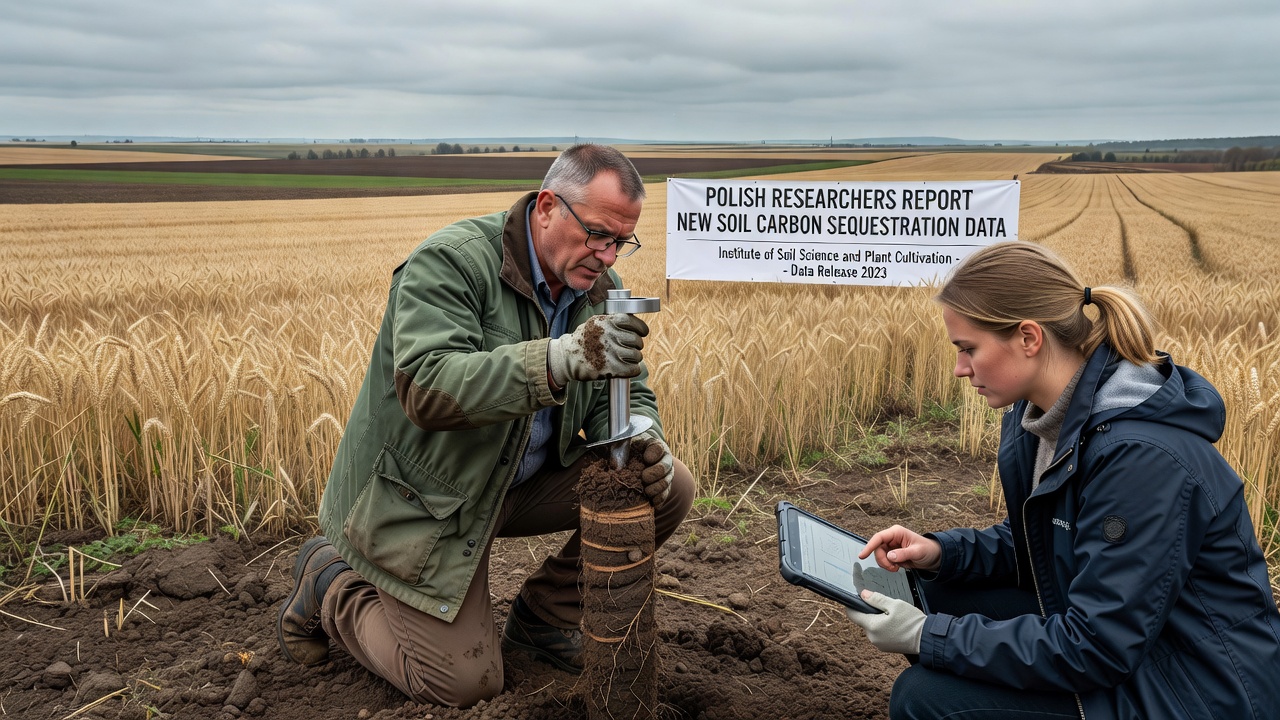
Polish researchers at Terra Lab Environmental Research have released comprehensive new data on soil carbon sequestration in Poland. The multi-year project examined how different land management strategies affect the ability of soils to store carbon, a critical factor in combating climate change. Initial results indicate that optimized farming techniques can substantially increase carbon uptake in temperate soils typical of the region.
Research Methodology and Primary Results
The investigation involved extensive fieldwork across multiple provinces, collecting thousands of soil cores for laboratory analysis. Scientists employed isotopic tracing and remote sensing technologies to map carbon dynamics over time. Findings revealed that integrating legumes into crop rotations boosted sequestration rates by 18 percent on average. In addition, reduced fertilizer use correlated with higher organic matter content in the topsoil layers. These measurements were cross-verified with historical data from the past decade to ensure accuracy and account for seasonal variations.
Particular attention was given to peatland restoration efforts, which showed promising outcomes in carbon preservation. Areas previously drained for agriculture exhibited rapid recovery when rewetted, with annual sequestration reaching 2.5 tons per hectare. The team documented biodiversity increases alongside carbon gains, suggesting co-benefits for ecosystem health. Statistical models developed from the dataset predict that national implementation could offset a notable portion of Poland's industrial emissions.
Implications for Sustainable Agriculture and Climate Strategies
These advancements come at a pivotal time as Poland seeks to meet its net-zero targets by 2050. Agricultural soils represent a vast but underutilized carbon sink, and the new evidence provides actionable recommendations for policymakers. Economic analyses within the study estimate that transitioning 30 percent of arable land to recommended practices would require an investment of approximately 2 billion euros but yield returns through improved yields and carbon credits. Stakeholders in the farming community have expressed interest in the results, though concerns about implementation costs persist. The researchers advocate for pilot programs in key agricultural districts to demonstrate feasibility. Long-term monitoring stations are being established to gather ongoing data and refine predictive models. Overall, this research underscores the importance of soil health in national environmental strategies and offers a scientific foundation for future initiatives aimed at enhancing carbon sequestration across Europe.