Avery Patterson · 2 September 2026
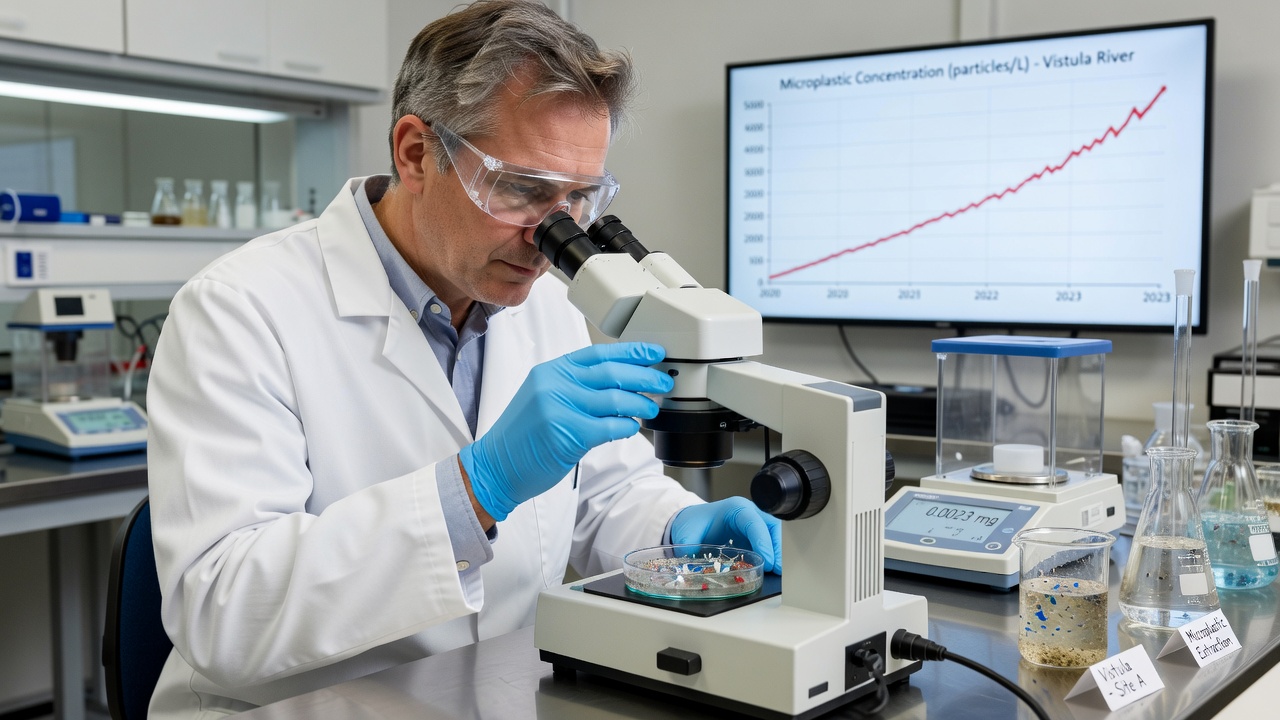
Terra Lab Environmental Research has released new data indicating a significant increase in microplastic concentrations within the Vistula River. The study conducted over the past five years highlights the growing pollution levels affecting one of Poland's major waterways. Researchers collected samples showing concentrations up by forty percent since twenty nineteen.
Sampling and Analysis Methods
Researchers from Terra Lab collected water and sediment samples at multiple points along the Vistula River from its source in the Beskid Mountains to its mouth in the Baltic Sea. Advanced techniques such as Fourier-transform infrared spectroscopy were employed to identify and quantify microplastic particles. The analysis revealed that microplastic levels have risen by approximately forty percent since twenty nineteen. Key sources identified include urban runoff industrial discharges and agricultural activities. The team processed over five hundred samples ensuring comprehensive coverage of seasonal variations. Additional findings show that polyethylene and polypropylene are the most common types of microplastics detected. These materials often originate from packaging waste that fragments over time. Terra Lab report emphasizes the need for better waste management practices to curb this trend. The Vistula River stretching over one thousand kilometers is vital for biodiversity and economy. Microplastics defined as particles smaller than five millimeters have been found in increasing densities with average concentrations reaching one hundred twenty particles per cubic meter in recent samples compared to eighty five in earlier years. This rise correlates with increased plastic consumption in the region. Terra Lab team included experts in environmental chemistry and hydrology. They used GPS mapping to track pollution hotspots near Warsaw and Krakow. Data was cross-referenced with satellite imagery for land use changes.
Environmental and Health Impacts
The rising microplastic levels pose serious threats to aquatic ecosystems. Fish and other organisms ingest these particles leading to bioaccumulation in the food chain. Studies indicate potential disruptions in reproduction and growth among species in the Vistula. Furthermore microplastics can carry harmful chemicals exacerbating pollution effects. For human populations the implications are concerning as the Vistula supplies drinking water to several cities. While treatment plants remove some particles smaller microplastics may persist. Terra Lab recommends enhanced filtration systems and public awareness campaigns. The research also calls for stricter regulations on plastic production and disposal to mitigate future increases. In conclusion the analysis underscores the urgency of addressing microplastic pollution in Polish rivers. Terra Lab plans to continue monitoring and collaborate with local authorities on mitigation strategies. This data contributes to broader European efforts to combat plastic pollution in waterways.